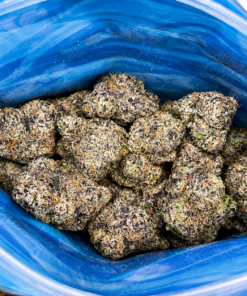
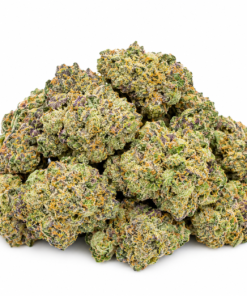
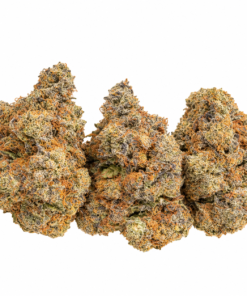
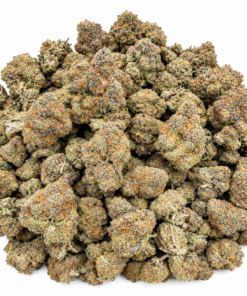
Marijuana strains are named cannabis varieties such as Blue Dream, OG Kush, Gelato and Sour Diesel. Products sharing a strain name can still differ between growers and batches. Genetics, cannabinoids, terpenes, aroma, appearance and batch-specific laboratory results provide a clearer way to understand and compare individual cannabis varieties.
Marijuana strains are named cannabis varieties or cultivars. Names such as Blue Dream, OG Kush, Gelato and Sour Diesel help identify products, but they do not provide a complete chemical profile. Cannabis carrying the same strain name can differ between producers, harvests and batches.
Genetics contribute to a variety's characteristics, while cultivation, harvest timing, processing and storage can also influence the finished product. This is why comparing marijuana strains works best when the name is considered alongside cannabinoid, terpene and batch information.
Rethinking Indica, Sativa and Hybrid
Indica, sativa and hybrid remain widely used cannabis classifications. They are useful for organizing products, but they should not be treated as precise predictions of potency or individual experience.
Indica
Indica has traditionally been associated with shorter plants and broader leaves. Retail descriptions often connect indica products with relaxing experiences, but the classification does not guarantee sedation, higher CBD levels or a particular effect.
Sativa
Sativa is traditionally associated with taller plants and narrower leaves. Modern retailers frequently describe sativa products using energetic or uplifting language. The category alone, however, cannot determine how an individual will respond.
Hybrid
Hybrid generally describes cannabis developed from multiple genetic lines. Because modern cannabis has undergone extensive selective breeding, many varieties have hybrid ancestry. Terms such as indica-dominant and sativa-dominant provide additional classification, not guaranteed effects.
What Really Separates One Variety From Another?
A useful strain comparison goes beyond the traditional three categories. Several characteristics provide a clearer picture of an individual cannabis product.
Genetics: Shows the documented lineage behind a cultivar.
Cannabinoids: Includes compounds such as THC and CBD, with concentrations that can differ by batch.
Terpenes: Aromatic compounds that contribute to the product's aroma and flavor.
Producer: Helps distinguish products sold under identical strain names.
Batch: Connects a particular product with its production and testing information.
Cultivation conditions also matter. Growing environment, harvesting, curing and storage can influence flower characteristics even when the underlying strain name remains unchanged.
Why Cannabinoid and Terpene Profiles Matter
THC and CBD are among the best-known cannabis cannabinoids, but their concentrations are not fixed by a strain name. One batch of Gelato or Blue Dream should not automatically be assigned the cannabinoid results of another.
Terpenes provide another layer of information. Compounds such as limonene, myrcene, pinene, caryophyllene and linalool may contribute to aromatic differences between cannabis products. Exact terpene concentrations should come from product-specific information when available rather than assumptions based on the cultivar name.
Recognizable Names and What They Tell You
Blue Dream, OG Kush, Gelato, White Widow, Sour Diesel, Wedding Cake and Pineapple Express are examples of widely recognized cannabis names. They can help consumers identify varieties and genetic families, but familiarity should not be confused with standardization.
Products sharing one of these names can have different cannabinoid measurements, terpene profiles, appearance and aroma. Current information from the producer and individual batch provides better comparison points.
A Better Way to Compare Marijuana Strains
Detail
What It Helps Explain
Strain Name
Product or cultivar identity
Indica, Sativa or Hybrid
Traditional classification
Cannabinoid Profile
Measured THC, CBD or other reported cannabinoids
Terpene Information
Aromatic composition when tested
Producer
Source of the individual product
Batch or Lot
Connects packaging with batch-specific information
Strain Names Do Not Guarantee Effects
Descriptions claiming that every indica causes sleep or every sativa creates energy oversimplify cannabis. Individual responses can differ, and products carrying the same strain name may have different chemical profiles.
The same principle applies to potency. An indica label does not automatically indicate more CBD, and a sativa classification does not establish THC concentration. Product-specific cannabinoid information provides a more useful reference.
Use Laboratory Information to Complete the Picture
Laboratory results can provide measured information that appearance and strain names cannot. Depending on the testing performed, documentation may include cannabinoids, selected contaminants, terpenes and other required analytes.
When reviewing a Certificate of Analysis, compare the batch or lot information with the product being evaluated. Results from one harvest should not automatically be applied to another batch simply because both use the same strain name.
Checking Cannabis Flower Before Purchase
Flower appearance and aroma can describe a product, but neither reliably measures potency. Instead, review the cultivar name, producer, net weight, cannabinoid information, batch identification, applicable laboratory documentation and packaging condition.
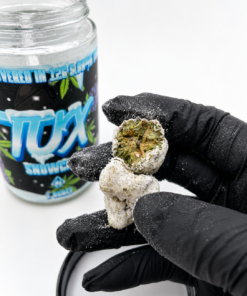
Heavy visible trichome coverage, unusual coloration or a strong aroma should not be treated as substitutes for measured cannabinoid information.
Keeping Different Strains Properly Stored
Keep cannabis flower in an appropriate closed container and protect it from excessive heat, prolonged direct sunlight, moisture and contamination. Retaining the original label can make it easier to identify the strain, producer and batch later.
Avoid mixing different strains or batches when accurate identification matters. Cannabis products should also remain securely stored away from children and pets.
Quick Questions About Marijuana Strains
What is a marijuana strain?
It is a named cannabis variety or cultivar. Its actual chemical characteristics can differ between producers and batches.
Are indica strains always relaxing?
No. Indica is a traditional classification and does not guarantee a particular individual response.
Are sativa strains always energizing?
No. Sativa labeling alone cannot predict how a cannabis product will affect every individual.
Can the same strain have different THC levels?
Yes. Cannabinoid concentrations can differ between growers, harvests and batches.
Can appearance reveal potency?
No. Flower color, density and visible trichomes cannot provide an accurate THC measurement.
What is the best information for comparing strains?
Consider the cultivar, producer, cannabinoid profile, available terpene information, batch identification and corresponding laboratory documentation together.