WELCOME TO SINS BOUTIQUE ONLINE SHOP, WE DO WHOLESALE AND RETAILS. CALL:+1 (812) 404-6915.
Understanding Cannabis Concentrate
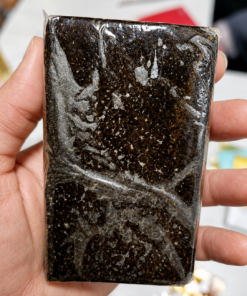
Marijuana hash, or hashish, is a cannabis concentrate produced from collected trichome-rich material. Hash can range from soft and pliable to dry, crumbly or firm, with colors ranging from tan to dark brown. These characteristics describe its physical form, but product-specific labeling and laboratory results provide better information about cannabinoid content and composition.
Marijuana hash, or hashish, is a cannabis concentrate made from collected trichome-rich material. Its texture, color, consistency and cannabinoid content can differ according to production and storage. Understanding hash types, handling, storage, labeling and batch-specific laboratory results helps adult consumers evaluate products without relying solely on appearance or texture.
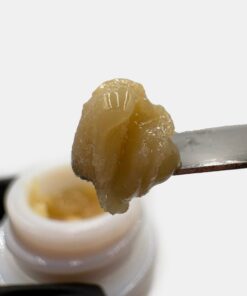
Marijuana hash, also known as hashish, is a cannabis concentrate made primarily from collected trichome-rich material. Unlike cannabis flower, hash concentrates this material into forms that may be pressed, loose, soft, firm, sandy or crumbly.
Hash is not one standardized product. Its texture, color, cannabinoid content and physical characteristics can differ considerably between products. For that reason, the word "hash" tells you the concentrate category, but not its exact potency, purity or composition.
From Trichomes to Concentrate
Trichomes are small glandular structures found on cannabis plants. They contain cannabinoids and aromatic compounds associated with cannabis. Hash production centers on separating trichome-rich material from other plant matter and collecting it into a concentrated form.
Different production approaches can be used. These may involve mechanical separation, sifting, water-assisted separation, pressing or combinations of appropriate processing techniques. The collected material may then be worked into the consistency intended for the finished product.
A finished piece of hash cannot reliably reveal the complete production process by appearance alone. Product-specific information is necessary when the exact method matters.
Why One Hash Can Look Completely Different From Another
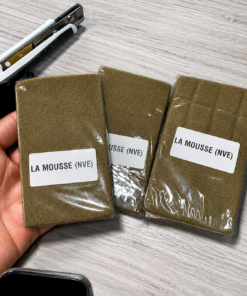
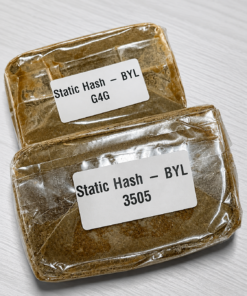
Hash may range from light tan and golden brown to deep brown or nearly black. Consistency can be equally varied. One product may bend easily, while another breaks into dry pieces or feels sandy and loose.
Physical Form
Common Characteristic
Soft
Pliable or putty-like
Pressed
Dense block, slab or disc
Dry
Sandy, firm or crumbly
Sticky
Tacky or softer at warmer temperatures
Starting material, processing, pressure, temperature and storage can influence these characteristics. Texture is therefore useful for describing hash, but it should not become a grading system.
Color and Texture Are Not Potency Tests
Dark hash is not automatically stronger than light hash. Likewise, soft hash is not necessarily better than a dry or firm product. Appearance cannot provide an accurate THC percentage or establish overall quality.
Hash is concentrated cannabis and may contain more cannabinoids than unprocessed flower, but cannabinoid levels still vary by product and batch. When potency matters, check the cannabinoid information associated with the exact product rather than relying on a generic range.
Reading a Hash Product Before You Judge It
A better evaluation starts with information that can actually be checked. Review the product name, producer, net weight and applicable batch or lot identification. Cannabinoid information and required cannabis warnings can provide additional context.
Packaging condition also matters. Damaged, opened or unexplained packaging changes deserve attention regardless of how attractive the concentrate itself appears.
Claims about a particular production method, cannabinoid profile or origin should be supported by information connected to that product rather than inferred from color or consistency.
Where Laboratory Results Fit In
Laboratory documentation can answer questions that physical inspection cannot. Depending on the testing performed and applicable requirements, results may provide cannabinoid measurements and information about screened contaminants.
When a Certificate of Analysis or other laboratory report is available, compare its batch or lot identifier with the product. Results belonging to another strain, product or production batch should not automatically be applied to the hash you are evaluating.
This distinction is especially important when comparing potency. Two containers carrying the same brand name can have different batch-specific results.
Hash and Other Marijuana Extracts Are Not Identical
Hash belongs to the wider cannabis concentrate category, but it should not be treated as another name for every marijuana extract.
Hash commonly centers on collected trichome-rich material that is separated and consolidated. Other concentrates can appear as wax, shatter, badder, sugar, diamonds or crumble and may involve different processing approaches.
Neither category is automatically stronger or higher quality. The individual product information provides a more meaningful comparison than the concentrate name alone.
Handling Hash Responsibly
Cannabis hash may be intended for different consumption methods depending on its format. Consumers should follow the directions associated with the particular product and use equipment suitable for that format.
Because cannabinoid concentration can vary considerably, avoid assuming that the same physical amount will provide an identical experience across different products. Someone else's usual serving also does not establish an appropriate amount for another person.
Do not drive, operate machinery or perform other activities requiring unimpaired judgment while impaired.
Protecting Hash During Storage
Storage conditions can influence the physical consistency of hash. Heat may soften some products, while cooler conditions can make certain textures firmer. Follow manufacturer-specific storage directions whenever they are provided.
Keep the container properly closed.
Protect the product from excessive heat and direct sunlight.
Avoid introducing water, dirt or other contaminants.
Use clean tools when handling the concentrate.
Keep batches properly identified.
Store cannabis securely away from children and pets.
Avoid unnecessary temperature changes, particularly when maintaining the original consistency of the product is important.
A Smarter Hash Buying Checklist
Before purchasing marijuana hash, look beyond color and presentation. Confirm the product identity, producer and net weight. Review cannabinoid information, batch identification, warnings and applicable testing details.
Inspect the package for damage or unexplained alterations and use legally permitted purchasing channels where required. If laboratory documentation is supplied, confirm that it belongs to the actual product and batch.
These checks provide considerably more useful information than assumptions such as "golden hash is purer" or "dark hash is stronger."
Common Questions About Marijuana Hash
Is marijuana hash the same as cannabis flower?
No. Cannabis flower consists of harvested plant material, while hash is a concentrate made primarily from collected trichome-rich material.
Why can hash be soft, hard or crumbly?
Starting material, processing, pressure, temperature and storage can all influence consistency.
Does darker hash contain more THC?
Color does not provide a reliable THC measurement. Check product-specific cannabinoid information instead.
Does every hash product have the same potency?
No. Cannabinoid content can differ between products and production batches.
How can laboratory testing be checked?
When laboratory documentation is available, compare its product and batch or lot information with the hash being evaluated.
How should marijuana hash be stored?
Keep it properly sealed and protected from excessive heat, direct sunlight, moisture and contamination while following any product-specific storage instructions.