
What Are THC Edibles?
THC edibles are cannabis-infused foods and beverages containing tetrahydrocannabinol (THC). Common options include gummies, chocolates, baked goods, drinks, mints and savory snacks. Unlike smoking or vaping, edibles are swallowed and processed through digestion before their cannabinoids are absorbed.
This difference matters because edible effects can take longer to appear and may last for several hours. For adults choosing edibles, understanding serving information and waiting for effects are important parts of responsible consumption.
Popular Types of THC Edibles
Cannabis edibles are available in many familiar food and beverage formats. The appearance or size of an edible does not tell you how much THC it contains, so always use the label when comparing products.
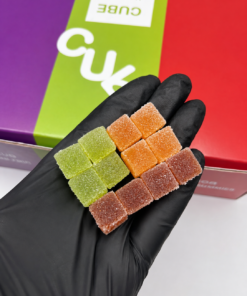
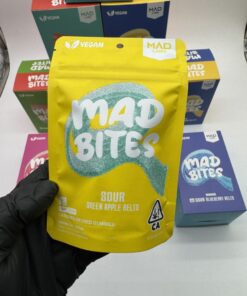
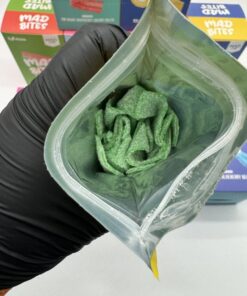
THC Gummies
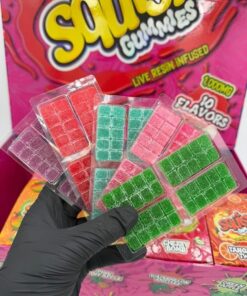
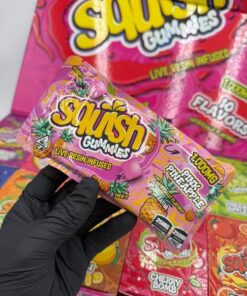
Gummies are one of the most common edible formats. They come in different flavors, shapes and package sizes. Check the THC amount per serving and the number of servings before consuming.
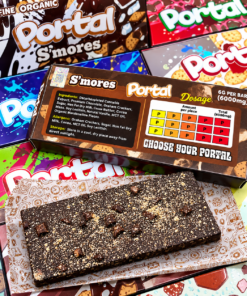
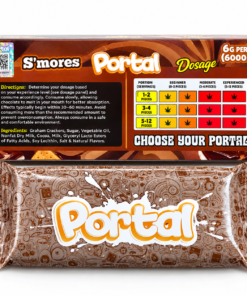
THC Chocolates and Baked Goods
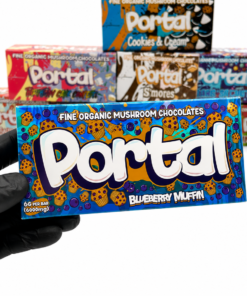
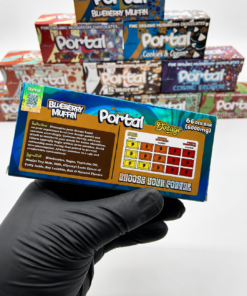
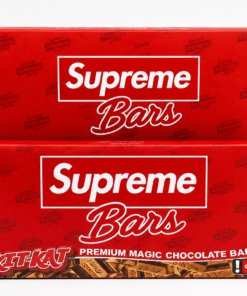
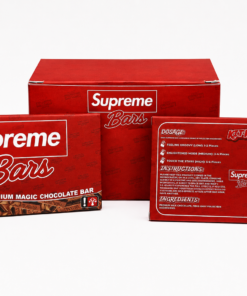
Cannabis-infused chocolates may include bars, individual pieces and other confectionery products. Baked edibles can include brownies, cookies and similar foods. A whole chocolate bar, brownie or cookie does not necessarily represent one serving.
THC Drinks, Mints and Snacks
Edibles can also appear as beverages, mints, lozenges and savory snacks. These products require the same attention to serving information as gummies and chocolates, even when their packaging resembles conventional food or drinks.
Understanding THC Serving Information
There is no single THC strength that applies to every edible. Potency can differ between products, individual pieces, servings and packages.
Before consuming an edible, check the label for:
- THC per serving
- Number of servings
- Total THC in the package
- Serving instructions
- Applicable cannabinoid information
- Required warnings
Do not estimate strength from the size, flavor or appearance of an edible. A small piece can contain a different amount of THC from a physically larger product.
Why THC Edibles Can Take Longer to Work
Edibles generally have a slower onset than inhaled cannabis because they must pass through digestion before their cannabinoids are absorbed and metabolized.
The timing can differ between individuals and products. Food intake, metabolism, formulation and THC quantity can all influence the experience. This delayed onset makes patience particularly important.
Consuming another serving simply because the first one has not produced noticeable effects can result in more THC being consumed than intended. Follow the product directions and allow adequate time before considering additional consumption.
How Long Do THC Edibles Last?
Edible cannabis effects can continue for several hours and generally last longer than effects from inhaled cannabis. There is no exact timeline that applies to everyone because individual sensitivity, metabolism, product formulation and amount consumed can vary.
Plan accordingly and avoid driving, operating machinery or performing activities where impairment could create a safety risk.
THC Edibles vs Inhaled Cannabis
| Feature | THC Edibles | Inhaled Cannabis |
|---|---|---|
| Consumption | Eaten or drunk | Inhaled |
| Onset | Generally slower | Generally faster |
| Duration | Can last several hours | Generally shorter |
| Serving Information | Check product label | Depends on product format |
How to Approach THC Edibles Responsibly
Responsible use begins with reading the complete product label. Identify the intended serving and make sure you understand whether the package contains one serving or several.
People unfamiliar with a particular edible should be especially cautious. Individual responses to THC vary, so another person's usual serving should not automatically become your own.
Avoid combining cannabis with other intoxicating substances without understanding the additional risks. Follow applicable product warnings and public-health guidance.
How to Store Cannabis Edibles Safely
Because gummies, chocolates and baked goods can resemble ordinary snacks, secure storage is especially important.
- Keep edibles in their original labeled packaging.
- Follow storage instructions provided on the label.
- Keep packages properly closed.
- Do not mix cannabis edibles with ordinary candy or snacks.
- Keep products securely away from children.
- Keep THC products away from pets.
When children are present, consider a locked storage location rather than relying only on a high shelf or child-resistant package.
Children, Pets and Accidental Consumption
Cannabis gummies, chocolates and baked goods can be difficult for children to distinguish from conventional food. Never leave them on countertops, desks, bedside tables or other accessible surfaces.
If a child accidentally consumes a THC edible, seek appropriate medical or poison-control assistance promptly.
THC products should also remain inaccessible to pets. Some edible ingredients, including chocolate, may create additional risks for animals. Contact a veterinarian or appropriate animal poison service if accidental consumption is suspected.
What to Check Before Buying THC Edibles
A useful product label should provide enough information to identify what you are buying and how the package is intended to be consumed.
- Product name
- Ingredient information
- Net quantity
- THC per serving
- Total THC where applicable
- Number of servings
- Batch or lot information where provided
- Required cannabis warnings
- Relevant testing or traceability information
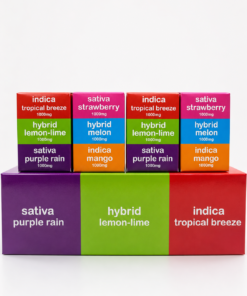
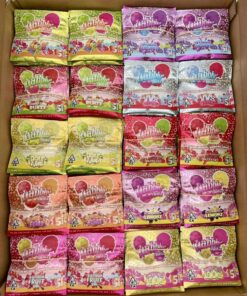
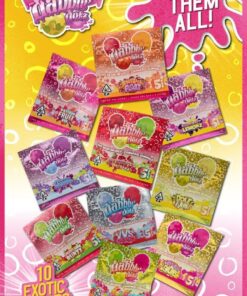
Do not rely on attractive packaging or a QR code alone when evaluating a product. Product identification, labeling and applicable batch information provide more useful context.
THC Edible Safety
Use cannabis products only where legally permitted. Keep them securely away from children and pets, and never drive or operate machinery while impaired.
People who are pregnant or breastfeeding, take medications, have underlying health conditions, or have concerns about cannabis use should seek individualized guidance from a qualified healthcare professional.
Frequently Asked Questions About THC Edibles
What are THC edibles?
THC edibles are foods or beverages formulated with THC. They can include gummies, chocolates, baked goods, beverages, mints and snacks.
Why do edibles take longer to work?
Swallowed edibles pass through digestion before their cannabinoids are absorbed and metabolized, so effects generally appear more slowly than with inhaled cannabis.
How much THC is in an edible?
The amount varies by product and serving. Check the package for THC per serving and total package content rather than assuming a standard amount.
Can one gummy equal one serving?
Not always. Serving sizes differ between products. Read the label to determine how many pieces make up the intended serving.
How should THC edibles be stored?
Keep them in their original labeled packaging, follow product-specific storage directions and secure them away from children and pets.
Understanding THC Edibles Before You Choose
THC edibles provide an alternative to inhaled cannabis through familiar formats such as gummies, chocolates, drinks and baked goods. Their most important difference is timing: effects can be delayed and may continue for several hours.
Read the label carefully, understand the serving information and avoid consuming additional THC too quickly. Secure storage is equally important because many edible products can resemble ordinary foods.
Knowing the product, serving size, delayed onset and appropriate safety precautions provides a more useful foundation for responsible adult use than judging an edible by its flavor, size or appearance.