
Marijuana Extracts: Understanding Wax, Diamonds, Crumble, Sugar, Badder & Shatter
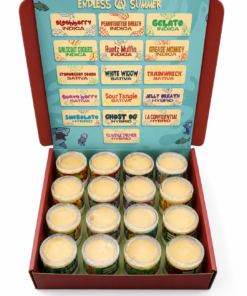
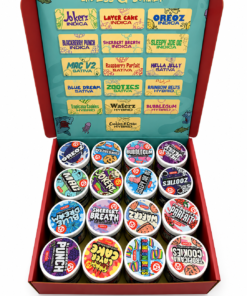
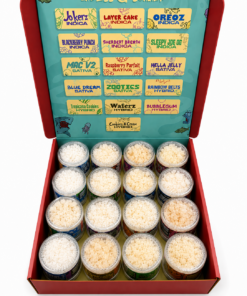
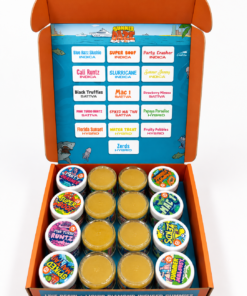
Marijuana extracts come in an unusually wide range of textures. One concentrate may look like broken glass, another like cake batter, and another like coarse sugar crystals. These differences have created familiar names including wax, diamonds, crumble, sugar, badder and shatter.
Texture can tell you something about how a concentrate looks and handles, but it cannot tell you everything about the product. You cannot reliably determine THC percentage, terpene content, purity, contaminants or overall quality simply by looking at an extract.
This guide explains the major marijuana extract formats, how they differ, how they are commonly handled and what information matters when comparing concentrates.
Marijuana Extracts: Understanding Wax, Diamonds, Crumble, Sugar, Badder & Shatter.
<p>
Marijuana extracts are concentrated cannabis products available in textures such as wax, diamonds, crumble, sugar, badder and shatter. Each consistency has different handling characteristics, from brittle shatter and dry crumble to creamy badder and crystalline diamonds. This guide explains what separates these popular concentrate formats, how texture can develop, common ways concentrates are used, storage considerations and what to check before purchasing. Because potency and composition vary by product and batch, consumers should rely on current, batch-matched laboratory results rather than appearance alone.
</p>
Extracts
Extracts
What Are Marijuana Extracts?
Marijuana extracts are concentrated cannabis products containing cannabinoids and other compounds separated from cannabis plant material through various processing methods.
The term covers many different products. Depending on the manufacturing process and subsequent handling, a concentrate can develop a brittle, creamy, granular, crystalline, sticky or crumbly consistency.
This is where names such as shatter, wax and badder become useful. They help describe the physical form of the concentrate.
They should not, however, be treated as guaranteed potency categories. Two products labeled "badder," for example, can have different cannabinoid profiles and laboratory results.
Quick Comparison of Marijuana Extract Textures
| Extract | Typical Appearance | Texture | Handling Characteristic |
|---|---|---|---|
| Wax | Opaque to semi-opaque | Soft and waxy | Generally easy to portion |
| Diamonds | Visible crystalline structures | Hard crystals, sometimes with sauce | Individual crystals can vary in size |
| Crumble | Dry and porous | Crumbly | Breaks apart easily |
| Sugar | Wet or granular | Sugar-like crystals | Often scoopable |
| Badder | Whipped or creamy | Soft and smooth | Easy to portion with an appropriate tool |
| Shatter | Translucent or amber sheet | Firm to brittle | Can snap into pieces |
These descriptions are general characteristics rather than laboratory specifications. Individual products can look or behave differently.
Marijuana Wax: Soft and Workable
Cannabis wax gets its name from its soft, wax-like consistency. Depending on the particular product, it may appear creamy, fluffy, opaque or slightly sticky.
Its softer consistency can make it easier to separate into smaller portions than very brittle concentrates. This handling characteristic is one reason wax remains a recognizable concentrate category.
Wax should not automatically be assigned a particular THC percentage. Its cannabinoid concentration, terpene profile and contaminant testing depend on the individual product and batch.
Cannabis Diamonds: Understanding the Crystalline Format
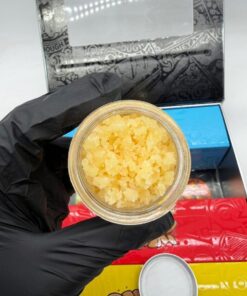
Cannabis diamonds are recognizable for their crystalline appearance. They may be sold as visible crystals or presented with a liquid or semi-liquid component commonly described as sauce.
The dramatic appearance has made diamonds one of the most visually recognizable concentrate formats. However, describing a product as "diamonds" does not establish an exact cannabinoid percentage.
The crystal size, surrounding material and overall consistency can differ considerably between products.
If you want to know the cannabinoid composition of a particular diamonds product, check the corresponding product label and batch-specific laboratory documentation.
Cannabis Crumble: Dry, Porous and Easy to Break Apart
Crumble is distinguished by its relatively dry, porous consistency. As its name suggests, the concentrate can break apart into smaller pieces with relatively little pressure.
Some crumble looks airy and honeycomb-like, while other examples have a finer or more compact consistency.
The dry texture can make crumble less sticky than certain softer concentrates, although it can also make small pieces easier to scatter during handling.
Color can range considerably. A lighter or darker appearance should not automatically be interpreted as evidence of greater potency, purity or safety.
Cannabis Sugar: A Granular Concentrate Texture
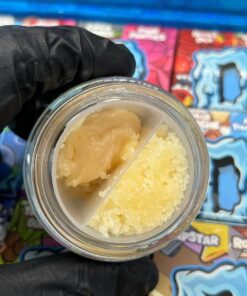
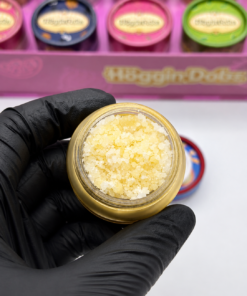
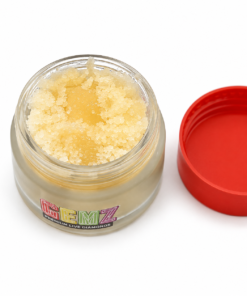
Cannabis sugar is named for its grainy, crystal-like appearance. Depending on the product, the crystals may sit within a wetter concentrate, producing a consistency that resembles coarse sugar mixed with syrup.
Sugar is sometimes confused with diamonds because both can contain visible crystalline structures. The most obvious practical distinction is generally crystal size and overall consistency, although terminology can differ among producers.
As with other marijuana extracts, the name "sugar" does not guarantee a specific THC concentration, terpene percentage or production method.
Cannabis Badder: Smooth, Soft and Creamy
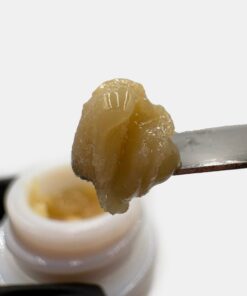
Badder, sometimes marketed using closely related terminology such as budder, is known for a soft consistency resembling batter, frosting or thick cream.
Its smooth texture makes it relatively straightforward to portion with an appropriate concentrate tool. This practical handling characteristic contributes to badder's popularity.
Consistency can still vary considerably. Some products are very soft, while others are thicker and hold their shape.
Badder's appearance alone does not establish cannabinoid concentration or terpene preservation. Those questions require product-specific information.
Cannabis Shatter: The Glass-Like Concentrate
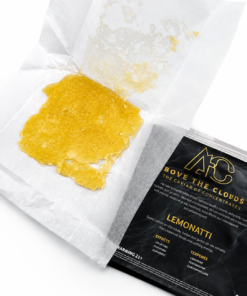
Shatter is one of the easiest marijuana extracts to recognize. It commonly appears as a translucent or semi-translucent sheet with a firm, glass-like consistency.
At suitable temperatures, some shatter can snap or break when pressure is applied. Warmer conditions may soften it and make it considerably stickier.
This temperature sensitivity is important when storing and handling shatter.
Clear or translucent shatter should not automatically be described as "pure." Visual clarity cannot establish cannabinoid content, residual solvents, pesticides, heavy metals or other laboratory measurements.
Wax vs Diamonds vs Crumble vs Sugar vs Badder vs Shatter
The most useful way to compare these marijuana extracts is by texture and handling rather than assuming that one category is automatically stronger or better.
Wax is generally soft and workable. Diamonds are distinguished by larger crystalline structures. Crumble is dry and breaks apart easily. Sugar has a grainy, crystal-rich consistency. Badder is smooth and creamy, while shatter is usually firmer and more brittle.
Which texture is preferable largely depends on the individual product, intended use and personal handling preference.
Does Extract Texture Tell You How Potent It Is?
No. Texture is not a reliable THC test.
A jar of diamonds may look more dramatic than a jar of badder, but visual appearance does not provide an accurate cannabinoid measurement. The same principle applies to shatter clarity and crumble color.
If potency matters when comparing products, look for the cannabinoid information required on the product label and, where available or required, a laboratory report corresponding to the same batch.
What About Live Resin and Full-Spectrum Extracts?
Terms such as live resin and full spectrum describe concepts that are different from simple texture categories.
A product may therefore use terminology such as live resin badder or live resin sugar. "Badder" and "sugar" primarily help describe consistency, while "live resin" refers to how the product is represented in relation to its source material and processing.
Do not automatically assign extraction temperatures, solvent types, terpene percentages or cannabinoid concentrations based only on these marketing terms.
How Marijuana Extracts Are Commonly Used
Cannabis concentrates are commonly consumed using equipment specifically designed for concentrates. This can include compatible concentrate vaporizers or other devices intended for the particular product format.
Some cannabis products are also formulated specifically for incorporation into other products. Always follow the manufacturer's directions and applicable local regulations.
Do not assume that every extract is appropriate for every device or consumption method.
How to Choose Between Different Marijuana Extracts
Instead of choosing solely on claims about maximum potency, consider the characteristics that actually distinguish the formats.
- Prefer a soft consistency? Wax or badder may be easier to handle.
- Prefer a drier concentrate? Crumble provides a distinctly dry and breakable texture.
- Interested in crystalline formats? Compare sugar and diamonds.
- Prefer a firm sheet-like concentrate? Shatter is the most recognizable option in this group.
After deciding on texture, compare the actual product information, cannabinoid label, batch details and laboratory documentation rather than relying solely on the concentrate category.
How to Store Marijuana Extracts
Heat, light, air and contamination can affect cannabis concentrates. Follow the storage instructions supplied with the individual product.
General considerations include:
- Keep the container properly closed when not in use.
- Protect concentrates from direct sunlight and excessive heat.
- Use clean tools when handling the product.
- Avoid introducing water or other contaminants into the container.
- Keep different products and batches clearly identified.
- Keep all cannabis products securely away from children and pets.
Some concentrates have manufacturer-specific temperature recommendations, so the product's own storage directions should take priority over generic advice.
What to Check Before Buying Marijuana Extracts
A polished jar and attractive concentrate are not enough to establish product quality.
Before purchasing a regulated cannabis concentrate, consider checking:
- Product and manufacturer name
- Net weight
- Batch or lot number
- Cannabinoid information
- Ingredient information where applicable
- Manufacturing or packaging information where required
- Required cannabis warnings
- Laboratory testing information
- Applicable license information
Where laboratory results are provided, make sure the report corresponds to the product's actual batch or lot rather than a different product carrying the same brand name.
Why Laboratory Testing Matters More Than Appearance
Photos and physical inspection can help identify texture, color and obvious contamination, but they cannot provide a complete chemical or safety profile.
Depending on applicable regulations and the type of testing performed, laboratory documentation may provide information about cannabinoids and screened contaminants.
This is considerably more useful than statements such as "lighter means purer," "diamonds are always the strongest," or "clear shatter proves quality."
Marijuana Extract Safety Considerations
- Purchase regulated cannabis products only where legally permitted.
- Read product-specific warnings and instructions.
- Do not drive or operate machinery while impaired.
- Keep concentrates securely away from children and pets.
- Do not consume a product showing unexplained contamination or damaged packaging.
- Do not assume appearance proves safety or potency.
- Follow applicable laws regarding possession and use.
Cannabis concentrates can contain substantial amounts of THC. People who are unfamiliar with concentrates should be particularly cautious with products whose potency they do not know.
Final Thoughts on Marijuana Extracts
Marijuana extracts include a diverse collection of concentrate textures. Wax is generally soft and workable, diamonds are crystalline, crumble is dry and breakable, sugar is granular, badder is creamy, and shatter has a firmer glass-like consistency.
Those physical differences are useful when deciding which format is easier to store, portion or handle. They should not be turned into unsupported claims about THC concentration, purity, effects or overall quality.
When comparing cannabis extracts, use texture as one piece of the picture. Then examine the product label, batch information and applicable laboratory documentation for the details that appearance cannot provide.