
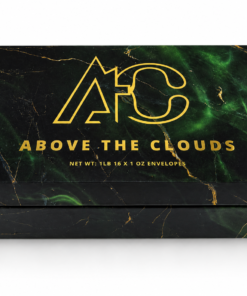
Above the Clouds Live Resin Shatter

$250.00
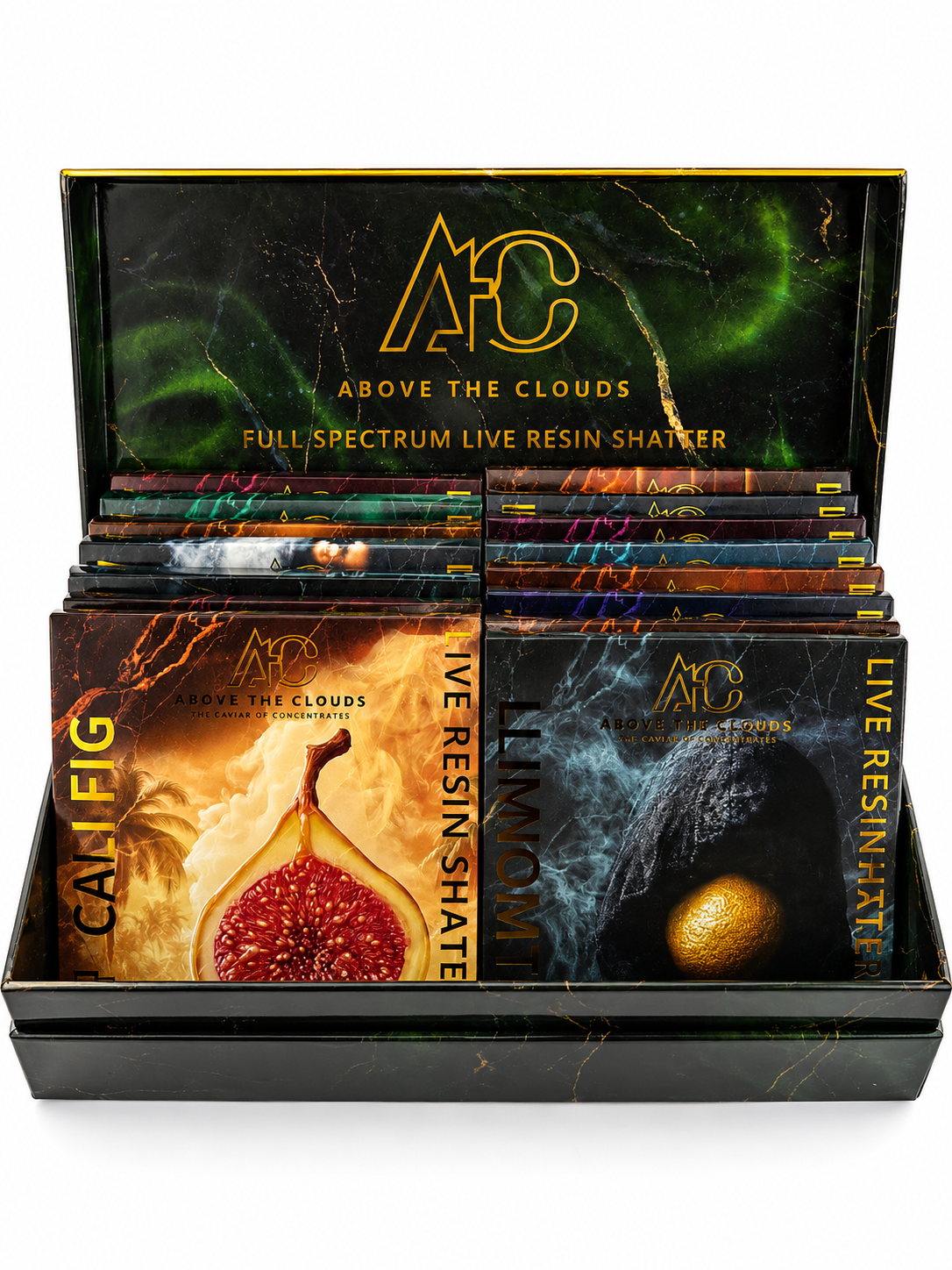
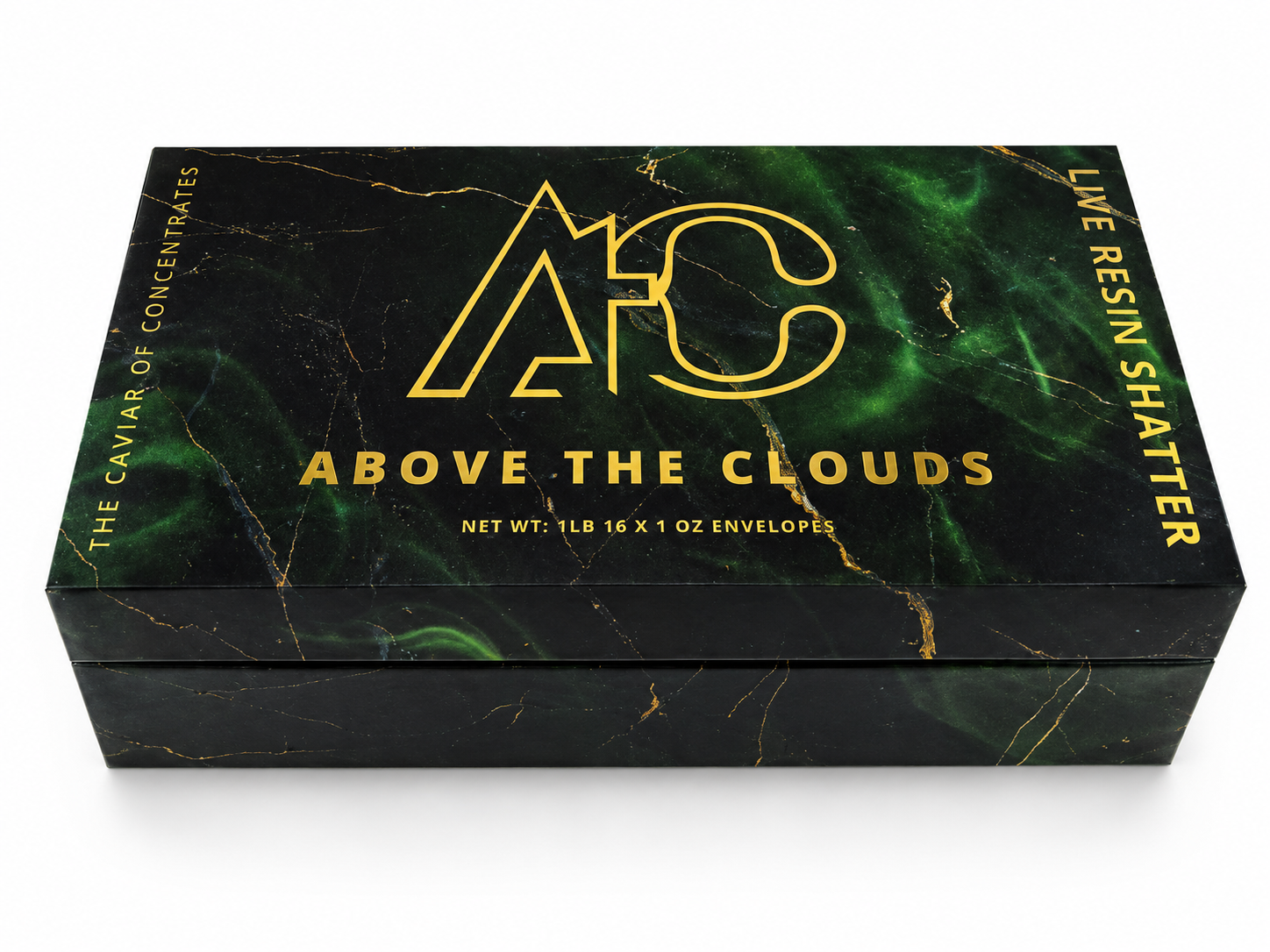
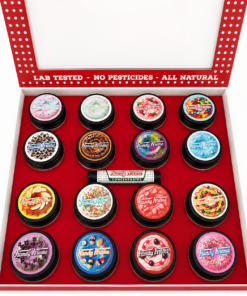
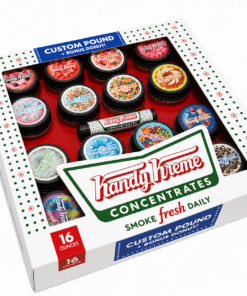
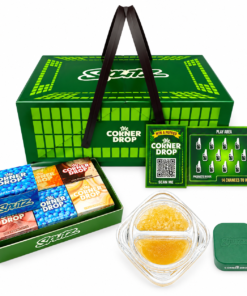
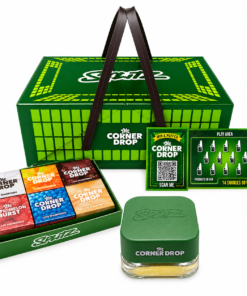
Above the Clouds Live Resin Shatter is an ATC cannabis concentrate offered in a substantial 1 oz format, roughly equivalent to 28g. The larger variety presentation contains 16 individually packaged 1 oz envelopes, with a stated total weight of one pound.
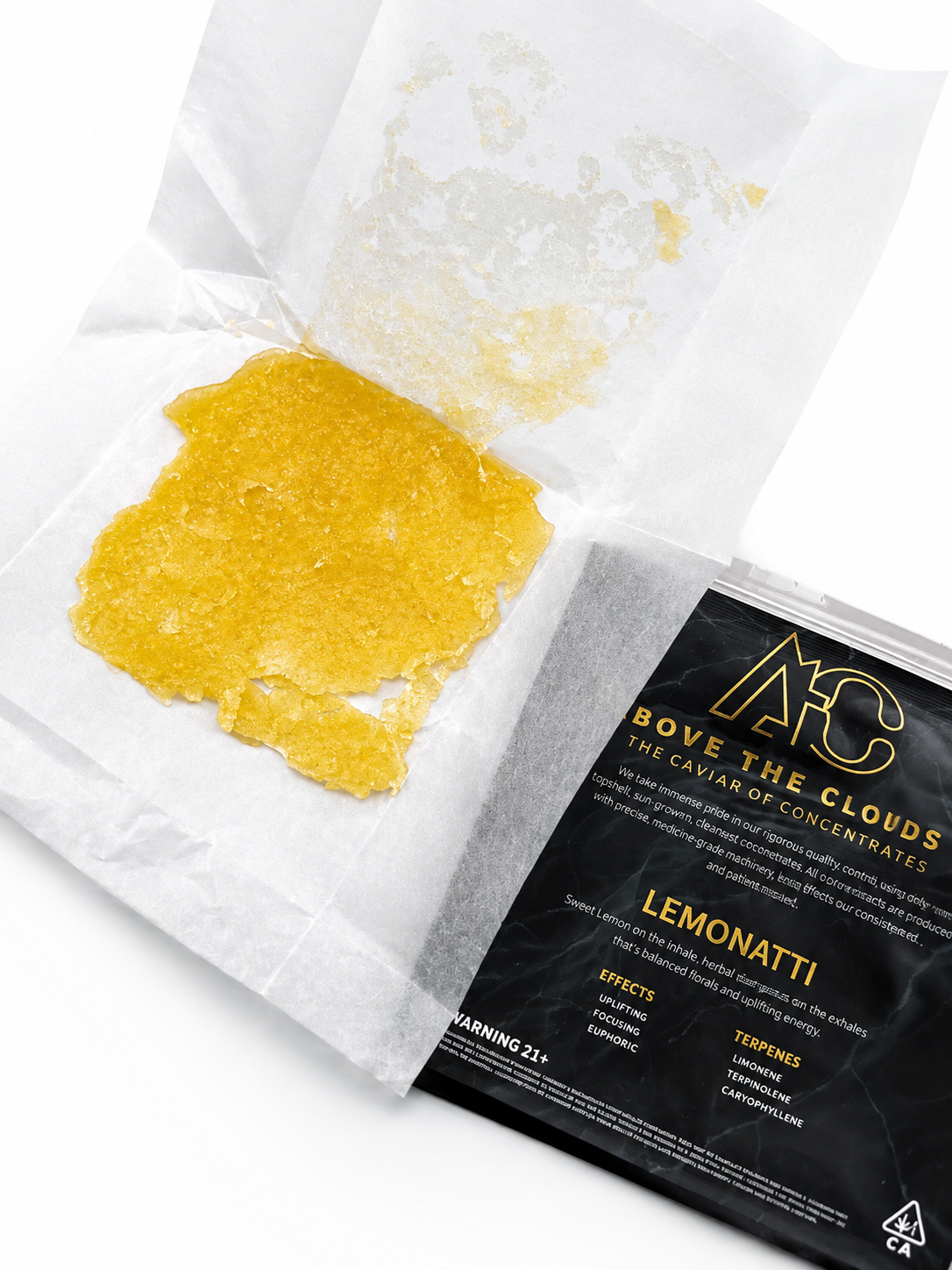
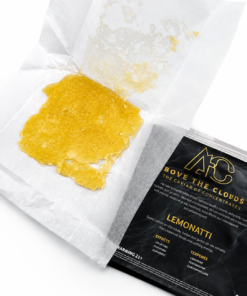
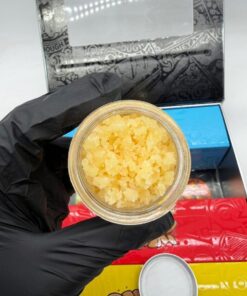
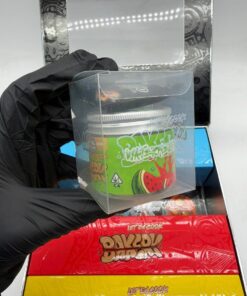
The concentrate has a golden, shatter-style appearance and comes in individually named varieties such as Lemonatti. Separate packaging makes each option easy to identify while preserving the variety-box format.
Above the Clouds Live Resin Shatter: ATC 1 OZ Concentrate, Storage & Variety Guide
For shoppers researching Above the Clouds Live Resin Shatter, the size is usually the first detail that catches attention. This is not presented like the small concentrate portions commonly associated with individual-use jars. Above the Clouds, often shortened to ATC, uses a larger 1 oz concentrate format, with individual varieties packaged separately and a larger assortment built around multiple envelopes.
But weight alone does not tell you much about a concentrate.
People searching for ATC Live Resin Shatter also want to understand what the product name means, how shatter differs from badder or crumble, what the concentrate should feel like, how temperature affects its consistency, how the larger assortment is organized, and what information is actually useful when checking authenticity.
Those questions matter more than filling a product page with potency numbers that can change between batches.
This guide takes a practical approach to Above the Clouds Shatter, covering its 1 oz format, texture, variety system, storage, batch verification, concentrate terminology, and the details worth checking before choosing an ATC product.
Quick Look at Above the Clouds Shatter
Here is the basic product information in one place.
| Product Detail | Information |
|---|---|
| Brand | Above the Clouds |
| Common abbreviation | ATC |
| Concentrate type | Live Resin Shatter |
| Individual package | 1 oz |
| Approximate equivalent | 28g |
| Larger assortment | 16 individual envelopes |
| Stated assortment weight | 1 lb |
| Texture | Shatter |
| Identified variety | Lemonatti |
| Recommended environment | Cool, dark and dry |
The large-format presentation is one of the easiest ways to distinguish this concentrate from smaller shatter products.
Exact composition can vary between batches, so product-specific labeling and applicable batch information remain more useful than assuming every ATC package is chemically identical.
Why Above the Clouds Uses a 1 OZ Format
The Above the Clouds 1 OZ Shatter format immediately puts the product into a different category from the small portions many concentrate shoppers are used to seeing.
One ounce is approximately 28 grams, which explains why searches for this product may use several variations of the same phrase:
Above the Clouds 1 oz Shatter
ATC 28g Shatter
Above the Clouds 28g Concentrate
ATC Live Resin Shatter 1 oz
These searches generally point toward the same weight class.
The distinction matters because someone looking specifically for an ounce package may have very different expectations from someone searching for a small concentrate container.
The package’s stated net weight should always remain the primary reference for the exact product being considered.
What Does Live Resin Shatter Actually Mean?
The phrase Live Resin Shatter can sound confusing because “live resin” and “shatter” are often treated as separate concentrate categories.
They describe different aspects of a concentrate.
Shatter primarily describes the finished consistency. It is commonly associated with relatively firm, sheet-like concentrate that can break into smaller pieces.
Live resin describes a broader concentrate category associated with cannabis material preserved fresh or frozen before extraction.
Because the terms describe different characteristics, they can appear together.
A concentrate can belong to the live resin category while having a finished texture that behaves like shatter.
Understanding this makes the ATC product name much easier to interpret.
Shatter Is About More Than Being Brittle
People sometimes imagine all shatter as perfectly clear, glass-like sheets that snap immediately.
Real concentrate texture can be more variable.
A shatter-style product may be firm when cool, slightly flexible at another temperature, or considerably stickier after exposure to warmth.
Thickness also matters. A thin section can behave differently from a thicker folded or overlapping piece.
This means texture should be considered within the context of temperature, storage, and handling.
The word “shatter” describes the general consistency. It does not guarantee that every piece will behave exactly the same way under every condition.
Understanding the 1 OZ and 28g Descriptions
One ounce technically equals approximately 28.35 grams.
Cannabis product descriptions frequently simplify that amount to 28g, which is why both measurements commonly appear in searches for the same type of product.
So if you encounter ATC 1 oz Live Resin Shatter on one page and Above the Clouds 28g Shatter somewhere else, the weight descriptions are broadly referring to the same size category.
The package itself should settle the question for the exact product.
That is particularly important with concentrates because legal possession limits and labeling requirements may depend on jurisdiction and product category.
Inside the Larger Above the Clouds Assortment
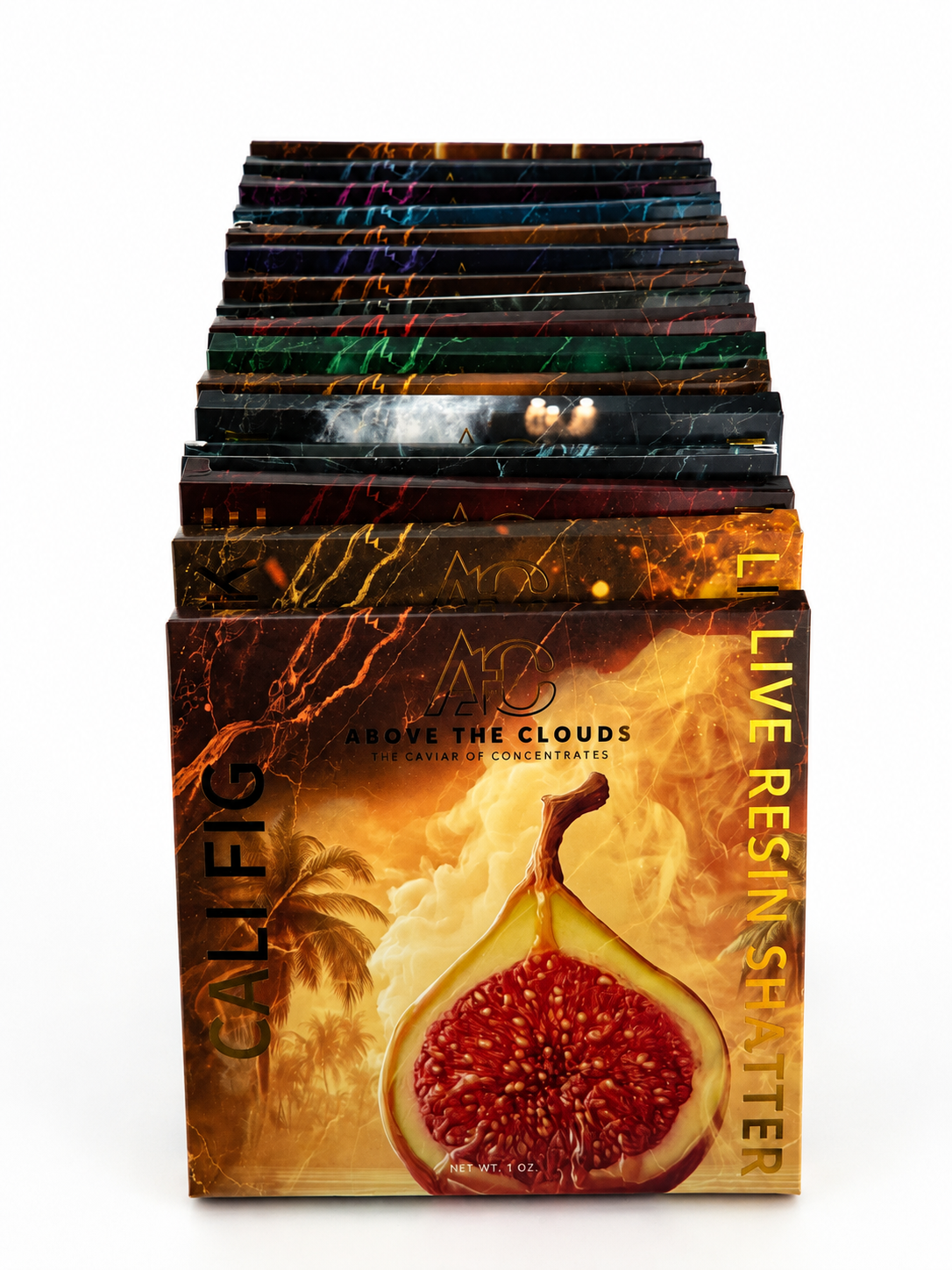
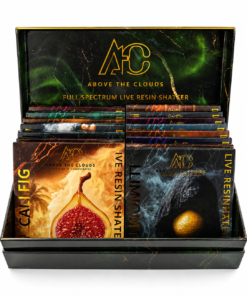
Above the Clouds also uses a larger presentation containing 16 individually packaged 1 oz envelopes.
Together, that creates a stated total of 1 lb.
The important part of this arrangement is the separation.
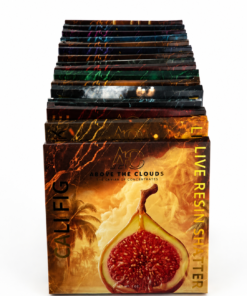
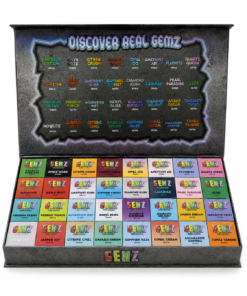
Instead of placing the entire assortment into one large container, individual portions remain packaged separately. Each envelope can carry its own variety identity and artwork.
That creates a clear difference between the two ways shoppers may encounter ATC Shatter:
Single ATC package: one 1 oz concentrate envelope.
Larger ATC assortment: 16 individually packaged 1 oz envelopes.
Understanding this distinction is useful when searching online because “Above the Clouds 1 oz” and “Above the Clouds 1 lb box” represent very different quantities.
Why Individual Envelopes Make the Assortment Easier to Understand
Separate packages make a large assortment much easier to navigate.
Instead of dealing with one container holding a large amount of one unidentified concentrate, each envelope can remain associated with its own variety.
That helps with organization and identification.
It also means unopened portions do not necessarily need to be handled whenever another variety is accessed.
For shoppers interested in the assortment itself, the individual packaging is therefore just as relevant as the overall box size.
The format is large, but it is divided into recognizable units rather than presented as one continuous mass of concentrate.
What ATC Live Resin Shatter Looks Like
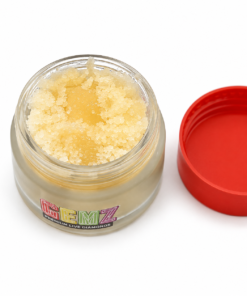
Above the Clouds Live Resin Shatter can have a light golden to yellow appearance with irregular sections and a relatively thin, sheet-like structure.
Some portions may appear more translucent than others.
Thicker sections, folds, or overlapping pieces can naturally appear more opaque.
That visual variation does not automatically indicate a difference in potency or quality.
Likewise, color should not be used as a shortcut for deciding whether one concentrate is stronger than another.
Cannabis extracts can differ visually for many reasons.
When exact cannabinoid composition matters, appropriate product testing provides considerably more useful information than judging a piece of concentrate by shade alone.
How ATC Shatter Should Feel
Temperature makes a noticeable difference to shatter.
When kept cool, the concentrate may feel firmer and can be easier to separate.
As it warms, it may become softer, more flexible, or sticky.
This is especially noticeable with thin sections because they respond to heat quickly.
Even holding concentrate between warm fingers can change its handling characteristics.
That is one reason two pieces from the same general product category may not feel identical when handled under different conditions.
Texture is useful for identifying the style of concentrate, but it should never be treated as laboratory evidence.
Lemonatti Above the Clouds Shatter
Lemonatti is one identifiable variety associated with the Above the Clouds Live Resin Shatter collection.
For shoppers, the variety name provides a straightforward way to distinguish that package from other ATC options.
It is better to use the name for identification than to automatically attach guaranteed effects, cannabinoid percentages, or detailed terpene claims to it.
A strain or variety name does not establish the exact chemical profile of every concentrate produced under that label.
If detailed composition is important, information associated with the particular product or batch is the better reference.
That approach keeps the variety useful without turning its name into a list of assumptions.
What Other Above the Clouds Varieties Are Available?
One appealing part of the larger ATC Shatter assortment is that it is designed around multiple individually presented options.
Different envelopes can feature distinct names and artwork.
However, concentrate collections can change.
Rather than assuming every release contains one permanent assortment, shoppers should check the actual selection being offered at the time.
This matters especially for returning buyers.
A previous Above the Clouds assortment does not necessarily establish what will appear in another release.
Checking individual names gives you a much clearer idea of what you are actually considering than relying on an older list.
ATC Shatter vs Badder, Crumble and Other Concentrates
The easiest way to compare cannabis concentrates is to separate texture terms from production-category terms.
| Concentrate | Typical Consistency | Main Characteristic |
|---|---|---|
| Shatter | Firm to brittle | Sheet-like and breakable |
| Badder/Budder | Soft and whipped | Creamier consistency |
| Crumble | Dry and crumbly | Breaks apart readily |
| Live Resin | Variable | Broader concentrate category |
| Live Rosin | Variable | Solventless concentrate category |
This comparison explains something important about Above the Clouds Live Resin Shatter.
Live resin does not have to look like one specific texture.
It may appear in different finished consistencies depending on the product.
“Shatter” simply tells you more about the physical form ATC uses for this particular concentrate.
Above the Clouds Shatter vs Badder
Shatter and badder are easiest to distinguish through handling.
Shatter generally has a firmer structure.
Badder is softer and usually has a whipped or creamy consistency that is better suited to scooping than snapping.
Temperature can soften both products, but their starting textures remain noticeably different.
Neither texture automatically tells you which concentrate has more cannabinoids or which one is “better.”
The choice depends heavily on how someone prefers to handle and store concentrates.
Someone who prefers firmer portions may gravitate toward shatter, while someone who likes softer material may find badder more convenient.
Above the Clouds Shatter vs Crumble
Crumble moves in the opposite direction.
Instead of forming relatively cohesive sheets, crumble tends to have a drier structure that breaks apart easily.
That can make portioning convenient, although loose pieces may require more careful handling.
Shatter generally stays together more readily when kept at a suitable temperature.
Again, these differences primarily concern consistency.
They do not provide a reliable measurement of strength, purity, terpene concentration, or overall quality.
Those questions require more information than texture alone can provide.
Does “Full Spectrum” Tell You the Potency?
The term full spectrum is generally used for extracts intended to retain a broader collection of naturally occurring cannabis compounds rather than focusing on one isolated cannabinoid.
It should not be confused with a potency measurement.
“Full spectrum” by itself cannot tell you an exact THC concentration, cannabinoid ratio, or terpene percentage.
Those values can differ between products and batches.
For shoppers, the term is most useful as a description of the extract rather than a replacement for analytical information.
When exact numbers matter, use product-specific information associated with the relevant batch instead of converting general concentrate terminology into a numerical claim.
How to Store Above the Clouds Live Resin Shatter Properly
Storage is particularly important with shatter because temperature changes can quickly affect consistency.
Keep the concentrate:
- Sealed when not being handled
- Away from prolonged direct sunlight
- Protected from excessive heat
- In a dry environment
- Somewhere secure
- Away from children and pets
A cool, dark location is generally preferable.
Avoid leaving concentrate in a vehicle or another environment where temperatures can rise significantly.
Good storage is not about making the product last forever.
It is about limiting unnecessary exposure to conditions that can change its texture and overall condition.
Should ATC Shatter Be Refrigerated?
Cooler storage may be useful when concentrates need to be kept for longer periods, but refrigeration also introduces another consideration: condensation.
Moving a very cold package directly into a warm, humid environment and opening it immediately can expose the contents to moisture.
If refrigerated storage is used, keeping the product sealed while it gradually approaches room temperature can help reduce that problem.
For normal shorter-term storage, a consistently cool, dark and dry environment may be easier to manage.
The goal is stability.
Repeated swings between hot and cold conditions are generally less desirable than maintaining a reasonably consistent environment.
Why Above the Clouds Shatter Can Turn Soft or Sticky
Finding that a piece of shatter has become sticky does not automatically mean something is wrong with it.
Check temperature first.
Shatter can soften quickly after exposure to:
- Warm rooms
- Direct sunlight
- Hot vehicles
- Body heat
- Warm surfaces
Thin concentrate warms particularly quickly.
If the material becomes difficult to handle, keep it sealed and move it to a cooler environment.
Avoid repeatedly touching it with your fingers, since body heat can make the problem worse.
This temperature sensitivity is one of the main reasons storage conditions matter so much with shatter-style concentrates.
Does Shatter Color Tell You Anything About Strength?
Not reliably.
A light golden concentrate may look appealing, but appearance alone cannot establish cannabinoid concentration.
Likewise, darker material should not automatically be dismissed as weak or poor quality.
Starting material, processing, age, storage, and other factors can influence appearance.
Color is therefore best used descriptively.
Laboratory analysis is the appropriate source when someone needs specific cannabinoid or contaminant information.
The same rule applies to clarity.
A highly translucent piece of shatter is not automatically stronger than an opaque one.
Visual characteristics can tell you what the concentrate looks like. They cannot replace chemical analysis.
How to Approach Above the Clouds Authenticity
People searching Above the Clouds Shatter real or fake often look for one visual trick that will provide an immediate answer.
Authenticity rarely works that way.
A better approach is to examine the entire product identity.
Check whether the following details make sense together:
- Above the Clouds or ATC branding
- Product name
- Variety name
- Stated net weight
- Required labeling
- Package condition
- Batch information, when provided
- Applicable testing information
- Seller legitimacy
One strange detail may deserve further investigation, but no single logo, color, or artwork element should be treated as absolute proof.
Why the Seller Matters
Where a cannabis concentrate comes from can be just as important as how convincing its packaging looks.
In regulated markets, appropriately licensed retailers provide greater product traceability.
Unknown or unregulated sellers can make verification considerably more difficult.
This matters with large-format products because buyers should also understand the laws governing concentrate possession in their jurisdiction.
A polished package does not establish that the product has traveled through a regulated supply chain.
When authenticity and compliance matter, purchasing through appropriate legal channels provides a stronger starting point than relying on appearance alone.
Understanding COAs for ATC Concentrates
A Certificate of Analysis, usually shortened to COA, contains laboratory results for a tested sample.
Depending on the applicable testing program, a report may contain information about cannabinoids and various screened contaminants.
The important question is not simply whether a COA exists.
It is whether the report actually belongs to the product being evaluated.
Compare available identifiers such as:
- Product name
- Variety
- Batch or lot information
- Testing date
- Laboratory details
- Sample information
A report belonging to another product should not be used to describe the package in front of you.
Why Batch Matching Matters
Cannabis concentrate composition is not necessarily identical from one production run to another.
That makes batch matching especially important when publishing or evaluating precise cannabinoid numbers.
Suppose one Lemonatti batch has a particular laboratory result.
That number should not automatically be applied to every Lemonatti package carrying similar artwork.
The same principle applies across the Above the Clouds collection.
Batch-specific information is valuable precisely because it connects analytical results with a particular production sample.
Without that connection, an impressive-looking number may provide less useful information than a simple, accurately stated product description.
Buying an Above the Clouds 1 OZ Concentrate
When evaluating Above the Clouds 1 oz Shatter, focus on information that helps you understand the exact product.
Check the variety.
Confirm the stated net weight.
Inspect the package condition.
Look for applicable product identification and batch information.
Consider the seller.
If analytical information is available, check whether it matches the product rather than simply looking for the highest number.
For the larger assortment, also confirm whether you are purchasing a single 1 oz envelope or the multi-package presentation.
That distinction sounds obvious, but it is important when online listings use similar product names for different quantities.
Legal Considerations With a 28g Concentrate
Large concentrate formats deserve extra attention to local cannabis laws.
Possession limits for cannabis concentrates can differ significantly from rules governing cannabis flower.
That means a legal flower possession limit should never automatically be applied to shatter, live resin, or another concentrated cannabis product.
Regulations can also vary by location and change over time.
Before purchasing, possessing, or transporting a 28g concentrate package or a larger assortment, check the current rules that apply where you are.
This becomes particularly important with the 16-envelope presentation because its total stated quantity is substantially larger than one individual ATC package.
Who Is the ATC 1 OZ Format Designed For?
The most obvious difference between Above the Clouds and many concentrate products is scale.
The format is likely to attract attention from experienced concentrate shoppers specifically looking for larger quantities or variety-oriented presentations.
Someone accustomed to small portions may find a 1 oz package significantly larger than necessary.
That is why product size should be considered before focusing on artwork, variety names, or concentrate terminology.
The full assortment takes that consideration even further.
Sixteen separate ounce packages represent a very different product format from purchasing one individual envelope.
Understanding that distinction is essential before making any decision involving a large-format concentrate.
Above the Clouds Live Resin Shatter FAQs
What is Above the Clouds Live Resin Shatter?
It is a shatter-style cannabis concentrate sold under the Above the Clouds, or ATC, name and presented using Live Resin Shatter terminology.
How much concentrate comes in one ATC package?
An individual package is presented in a 1 oz format, approximately equivalent to 28 grams.
Is Above the Clouds Shatter 28g?
The 1 oz format is commonly described as approximately 28g. One ounce technically equals about 28.35 grams.
What comes in the larger ATC assortment?
The larger presentation contains 16 individually packaged 1 oz envelopes, with a stated combined weight of 1 lb.
What is Lemonatti Above the Clouds Shatter?
Lemonatti is one identifiable variety associated with the Above the Clouds Live Resin Shatter collection.
Is Above the Clouds Live Resin the same as shatter?
The terms describe different characteristics. Live resin describes a concentrate category, while shatter primarily describes finished consistency. A concentrate can therefore be both.
What color is ATC Live Resin Shatter?
The concentrate can appear pale golden to yellow, with some sections looking more translucent or opaque depending on thickness and arrangement.
Why did my shatter become sticky?
Warm temperatures can soften shatter considerably. Keep the concentrate sealed and move it to a cooler environment if it becomes difficult to handle.
Is lighter shatter stronger?
Color cannot reliably determine cannabinoid concentration. Exact potency information requires appropriate product-specific testing.
How should Above the Clouds Shatter be stored?
Keep it sealed in a cool, dark, dry and secure environment away from excessive heat, direct sunlight, moisture, children and pets.
How do I check whether ATC Shatter is authentic?
Evaluate the complete product identity, including branding, variety, weight, labeling, package condition, seller legitimacy, and available batch information. Testing should correspond with the relevant product or batch.
What does a COA tell me?
A Certificate of Analysis reports laboratory findings for a tested sample. Its usefulness depends on whether the report can be matched appropriately to the product being evaluated.
Why Above the Clouds Stands Out
The strongest selling point of Above the Clouds Live Resin Shatter is not an extreme potency claim or a complicated extraction story.
It is the format.
An individual 1 oz package already represents a large concentrate quantity compared with the smaller portions commonly encountered in the category.
The 16 × 1 oz assortment takes that format further by organizing multiple individually packaged options within a larger presentation.
The shatter-style consistency gives the product another clear characteristic. It can remain firm when cool, soften with warmth, and appear in irregular golden sections rather than the whipped texture associated with badder or the dry structure of crumble.
Lemonatti provides one recognizable variety within the collection, while other selections can differ between assortments.
Together, those characteristics give ATC a clear product identity without requiring questionable technical specifications to make the concentrate sound interesting.
Final Thoughts on Above the Clouds Live Resin Shatter
Above the Clouds Live Resin Shatter is best understood as a large-format concentrate built around individual 1 oz packages and a broader variety presentation.
For shoppers researching ATC 28g Shatter, the most useful details are straightforward: understand the package size, identify the specific variety, know what shatter consistency means, store the concentrate appropriately, and use product-specific batch information when exact composition matters.
The larger assortment expands the same concept into 16 individually packaged envelopes with a stated combined weight of one pound.
That gives Above the Clouds a recognizable place within the concentrate category.
Instead of judging the product by color, assuming effects from a variety name, or relying on potency figures disconnected from the relevant batch, buyers can focus on information that actually helps them evaluate what they are looking at.
For anyone comparing Above the Clouds 1 oz Shatter, Lemonatti, other ATC varieties, or the larger assortment, the product’s scale, shatter-style texture, individual presentation, and batch-aware approach to verification are the details worth understanding first.
| FLAVORS | Jet Fuel, Grandaddy Gas, Champagne Tartz, Stardawg, Pink Panties, Truffle Jacks, Afghan Sesi, Gumbo 41, Black Cherry Chem, God's Gift, Triple Scoop, Black Bacio, Banner Buns, Fritter Batter, Sunset Sherb, Double Bubble |
|---|
1 review for Above the Clouds Live Resin Shatter
Add a review
Related products
Extracts
Ethan –
The order was packaged carefully and arrived exactly as expected.